Name and hierarchy
Decide how much prominence to give the name, partners, a descriptor and a possible abbreviated mark.
Logo and identity design for architecture studios. We define the name, signature, versions and applications using the studio’s real presentation documents, drawings and projects.
Sector
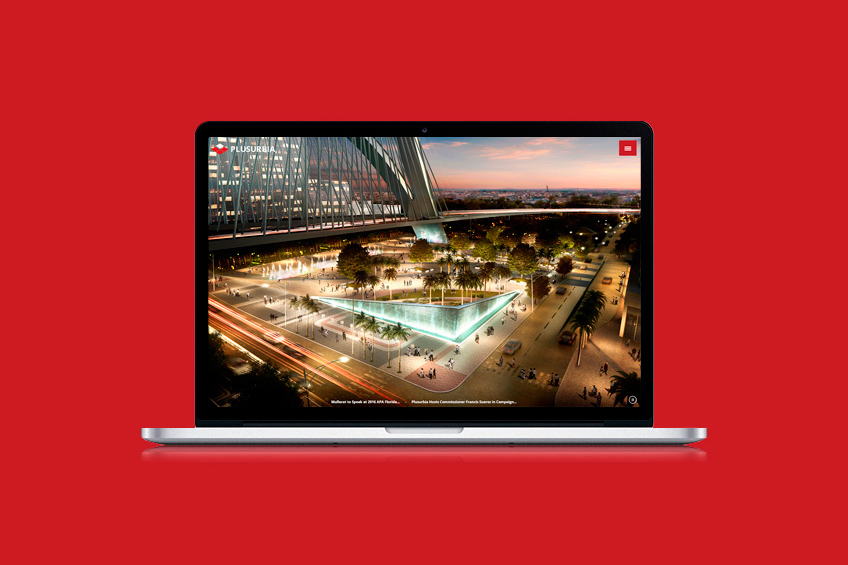
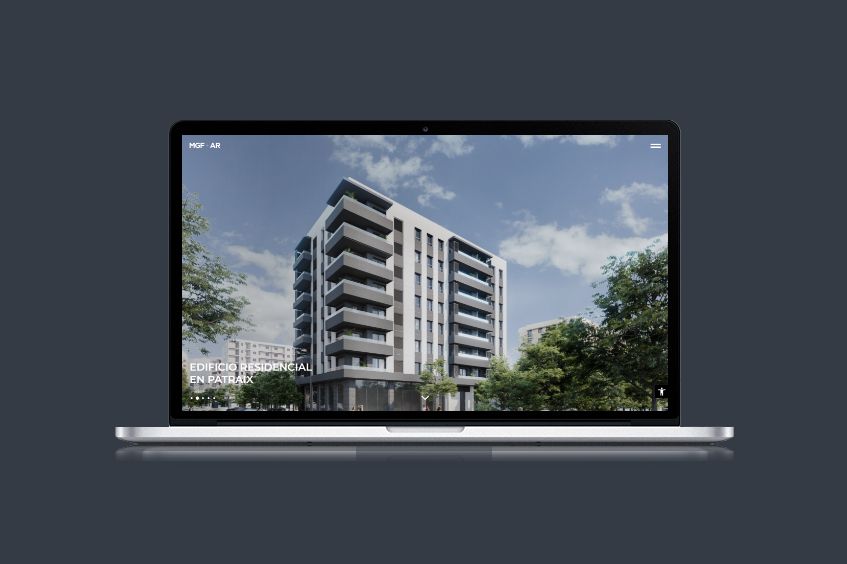
If the commission also includes the website, define how the identity works with photography, drawings and project pages. Explore web design for architecture studios and the guide to presenting architecture projects online to prepare that scope.
The identity should identify the studio and work alongside its architecture.
An architecture logo brief starts with the name, the studio’s position and the formats used to present its work. A typographic signature, symbol and layouts are compared with real information. The result should work on presentation documents, drawings, proposals and digital channels through shared criteria, as well as functioning as an isolated mark.
Decide how much prominence to give the name, partners, a descriptor and a possible abbreviated mark.
Test full and reduced signatures, one colour, small sizes and photographic backgrounds.
Prepare rules and examples that support the next presentation document, drawing or proposal.
Bring the current name, a sample of projects, a presentation document, a drawing and the formats you need to renew. We agree which elements retain value and who approves proposals. The quote separates design, applications and usage guidelines from printing, photography and website development if those are also commissioned.
A signature is one part of an identity. Typography, colour, composition and image use help a presentation document or proposal remain recognisably the studio’s. The brief identifies the pieces needed now and those to develop later. This makes a logo proposal and an identity proposal easier to compare without confusing their deliverables.
The review includes the name and descriptor at small sizes, a one-colour version and layouts alongside photography or drawings. Long titles, credits and project details are also worth testing. These situations let us assess the design under real constraints as well as review a visual presentation.
Before replacing the signature, we review what the team recognises and what works in current materials. Organising versions, proportions and applications may be enough. Where the direction changes, we agree how earlier documents will coexist and which pieces should be updated first.
The proposal specifies applications, editable and production files, formats and the guidelines the studio will receive. Type families and their licences are identified separately where relevant. Printed production and a new website are estimated as separate work.
Compare examples, applications and the work required before preparing the brief.
It depends on the agreed scope. A signature can include essential versions, while an identity adds typography, colour, composition and applications. The proposal lists what will be designed and delivered.
We assess it alongside the name, its length and priority formats. A typographic signature may be enough; a symbol can provide a short version. The decision comes from application tests rather than being an automatic requirement.
Yes. We first review the files, legibility, versions and current applications. This establishes what to retain and what needs to change, with approval responsibilities identified.
The name, a sample of projects and documents, priority applications, planned timing and who will approve the design. If an identity already exists, its files and guidelines help define the work.
These scopes are defined separately. The quote identifies design, files and applications; where printed production or web development are also required, their deliverables and dependencies are specified.
A selection of work showing context, decisions and outcomes.
Tell us where things stand and we can assess the most useful approach for the project.