One of the most important stages in the design and creation process is how we present our idea.
It doesn’t matter what project we have in front of us — a logo, business cards, posters — the presentation is the first thing our audience will see.
Whether it catches the eye or goes completely unnoticed depends on that presentation, and the latter, dear readers, is a long way from what some graphic designers are after when trying to win over a particular client or major brand.
With the arrival of digital technology applied to graphic design, things have become a lot simpler.
Mockups have been in use for several years now.
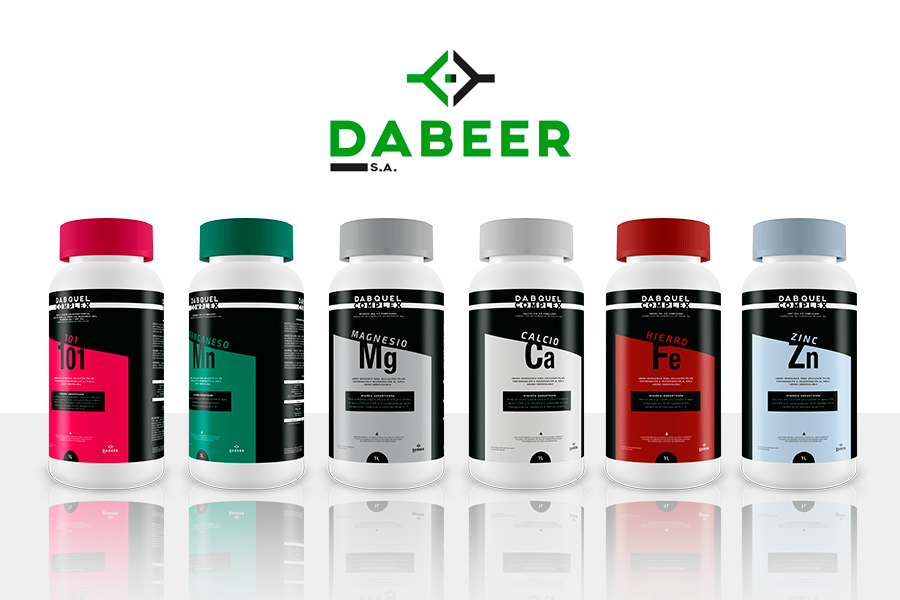
What is a mockup?
So we’re all on the same page, the word mockup translates as a model, and that’s exactly what it is: a model, a surface that lets us show our work applied.
The origin of the mockup lies in graphic designers’ need to test the result by applying our work to the intended medium. So if we design a logo and strapline for a coffee brand, it’s very useful to preview the result of our work long before anyone else sees it.
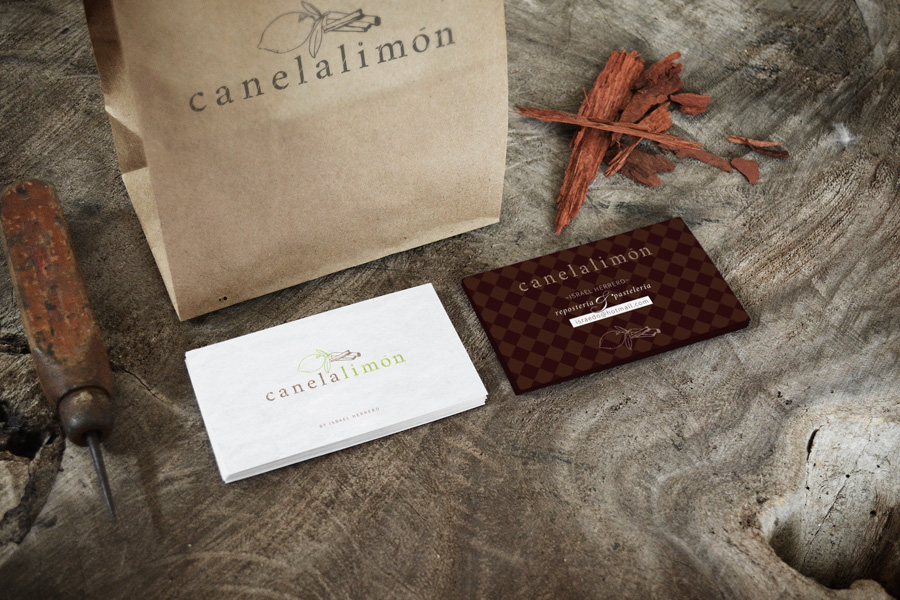
Beyond that use, there’s far more to be gained from it, because when presenting a project it’s a tool that reinforces the message we want to get across to the client or the audience.
So we can put together presentations where our work is everywhere: logos and merchandise by the bucketload.
The client will appreciate it, and so will we
It’s vital that communication between client and graphic designer is spot on, and for that there’s nothing better than presenting the work already applied.
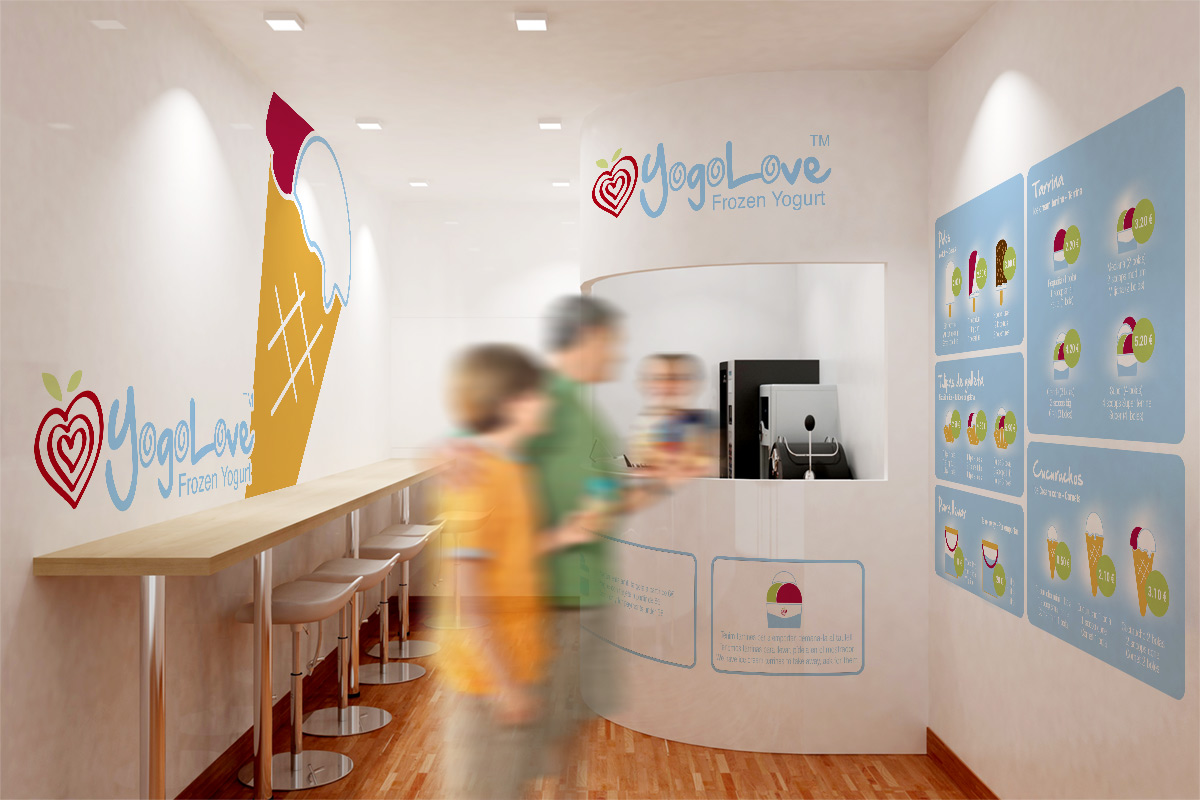
That way there’s no room to misread our message, which simplifies communication and raises our chances of success.
How many times have we had a project knocked back with the feeling that the client hadn’t quite grasped what we were trying to show them?
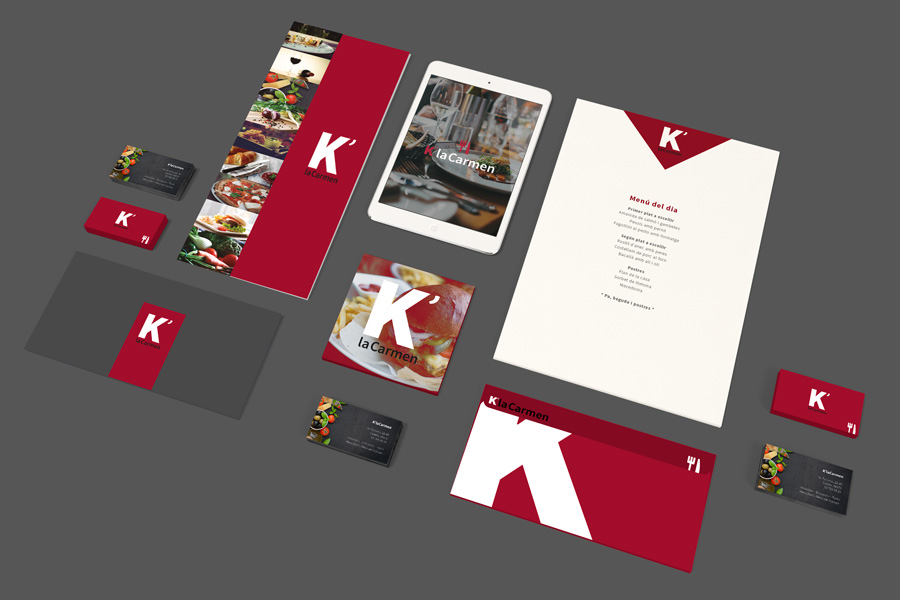
If you browse the internet you’ll find plenty of sites devoted to mockups, some free and some paid. Go and have a look!
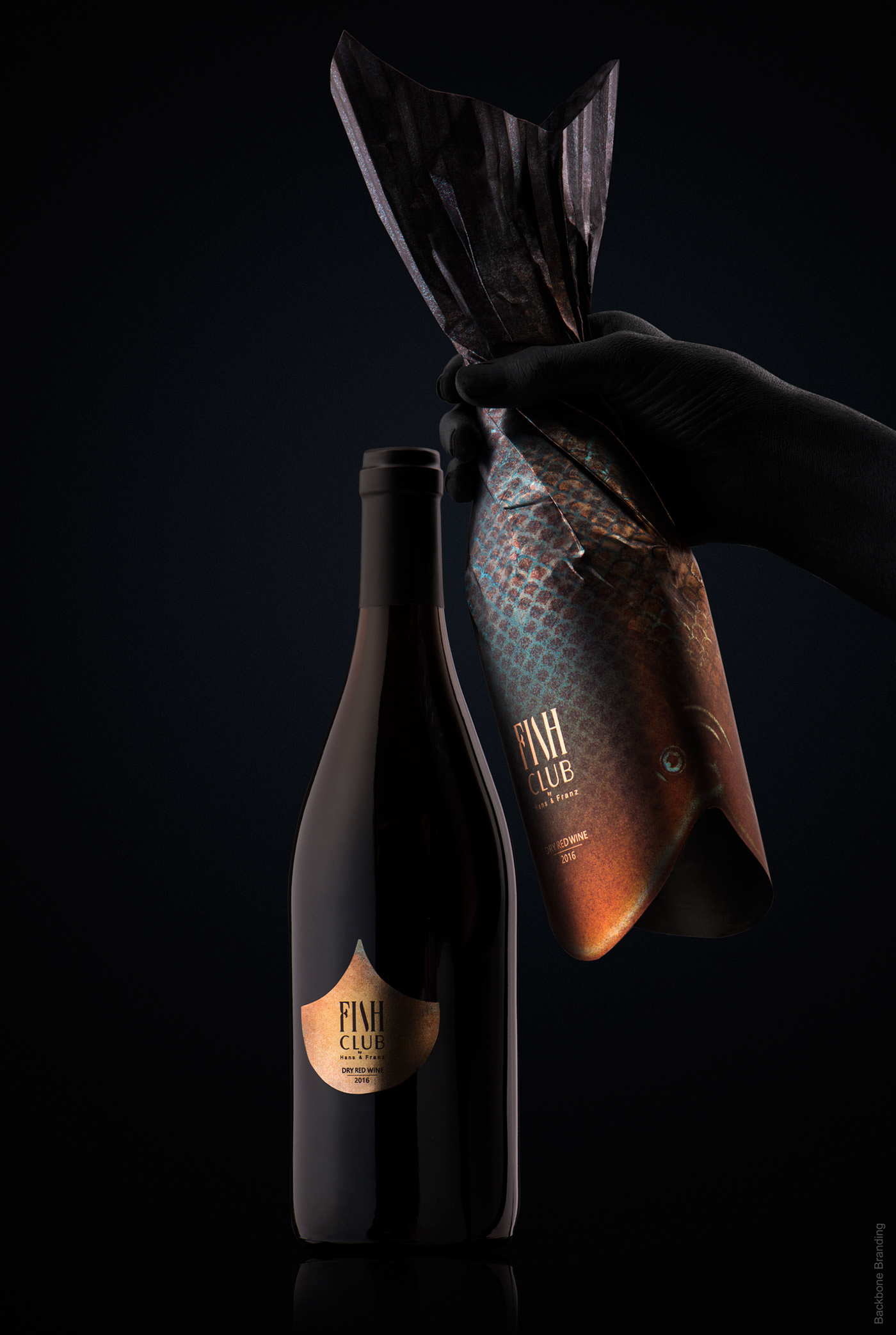
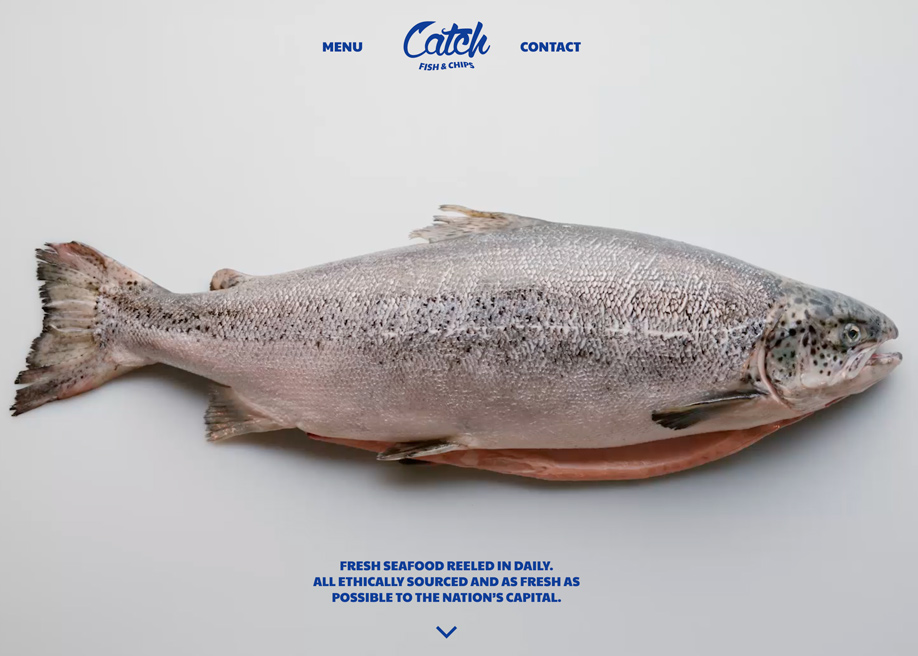
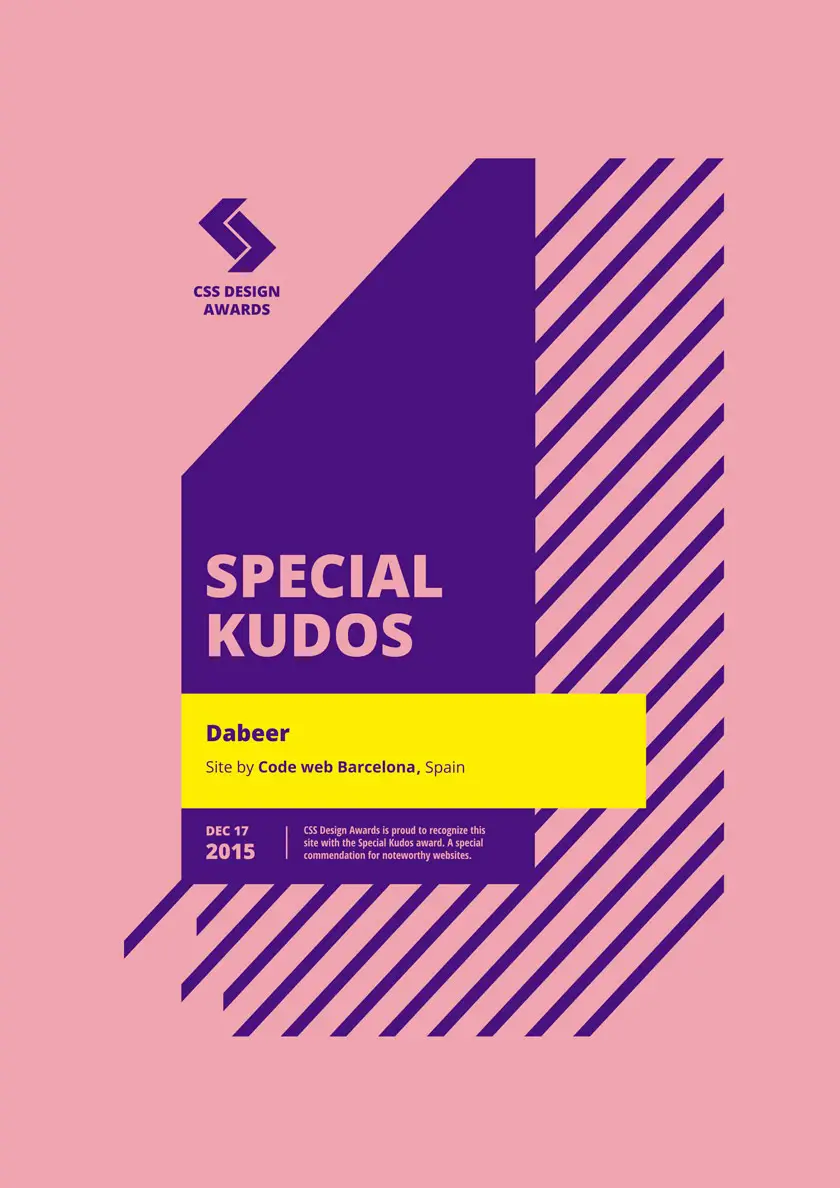
So you can see the result, every image we’ve woven through this text is a mockup of our own work, and there really is a world of difference between this and sending over a sad blank pdf hoping the client takes the plunge.