Context before form
Proposition, audience, content and objectives are organised before a visual direction is set.
Web design for restaurants: sites that explain the proposition, make booking easy and let the experience speak before the menu does.
Sector
The approach is defined before it becomes a set of screens.
The project starts with the decision the digital presence needs to support, the information behind it and the operations the team needs to sustain. This way, design and technology respond to a specific need.
Proposition, audience, content and objectives are organised before a visual direction is set.
Navigation, content and actions are shaped around the questions that arise throughout the journey.
The system is prepared so the team can maintain and extend it with sound judgement.
Strategy, content, design and implementation are organised around the organisation’s context. Decisions are documented so the team has a clear foundation for launch, maintenance and future development.
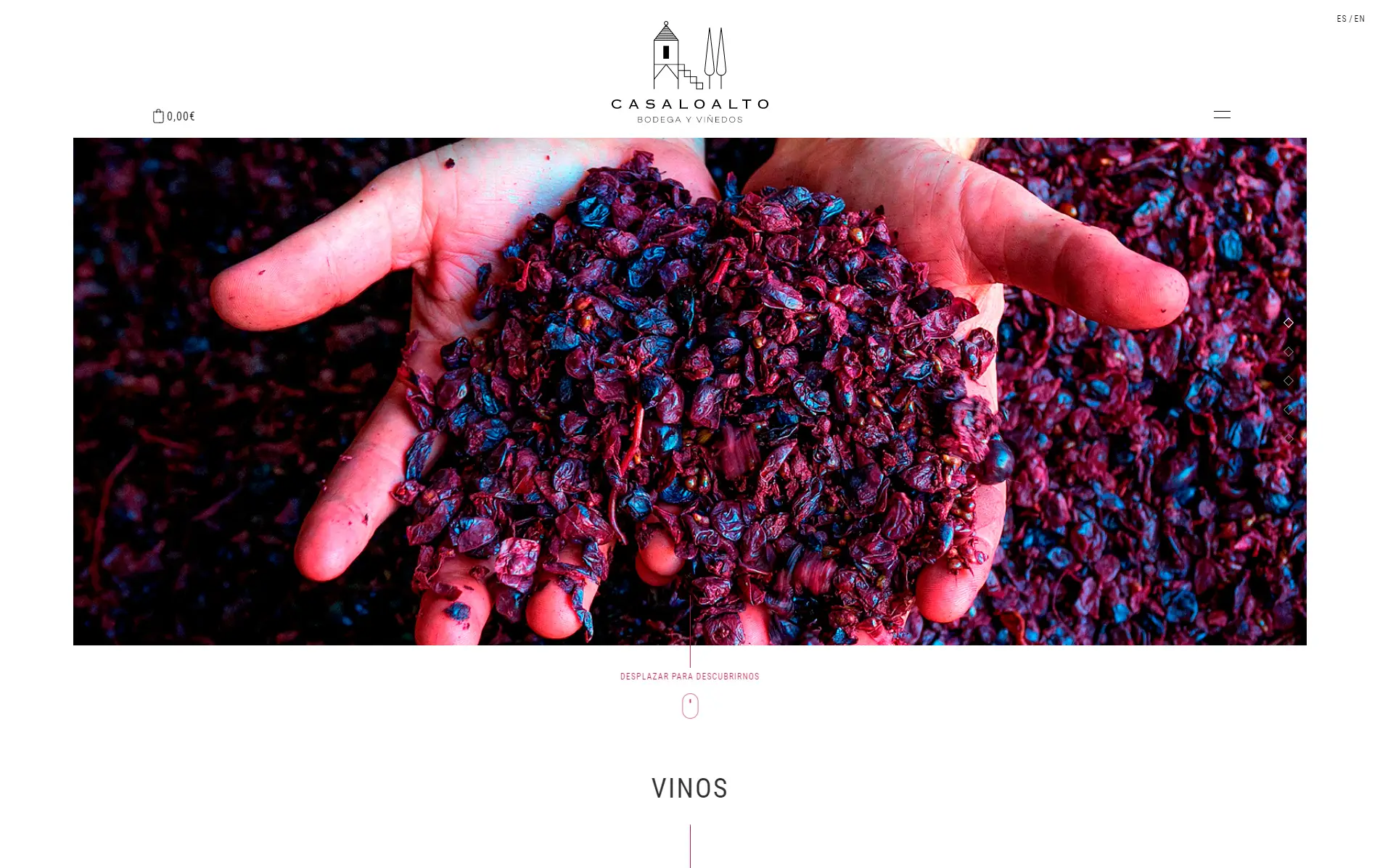
Someone landing on a restaurant website wants four things in this order: whether the place suits them, whether they can go on the day they want, what it will cost and where it is. Everything else is secondary. A restaurant site that hides the menu in a PDF, shows no prices and takes three clicks to reach booking is working against its own business. Solving those four on the first screen usually moves more covers than any aesthetic decision.
A PDF does not read well on a phone, Google does not index it as content, and changing one dish means remaking the whole file. An HTML menu reads properly, ranks for the dishes people search for and updates in two minutes. It costs more to build the first time and pays that back within a season. It is probably the highest-return change available on a restaurant website.
Two decisions settle the rest. Photography: stock is recognised instantly and communicates the opposite of what you want, so an original shoot is worth budgeting even if something else has to give. And booking: whatever engine you use, it has to be visible from every page and work without leaving the site or creating an account. Every intermediate step is paid for in lost bookings.
The material you already have and an honest picture of who visits the site and with what question. In this sector content weighs more than the template, and it usually sets the timeline.
It starts from the decisions your audience makes before getting in touch, and the site is built around them. The scope comes from that, not from a standard list of sector sections.
Almost always, and it is worth budgeting from the start. In this field original photography is the real differentiator; stock makes two competitors look like the same company.
With the journeys that genuinely get used in this sector, on the device people actually arrive from — usually a phone, usually in a hurry. The data that has to stay current is reviewed too.
By better-prepared enquiries: people arriving knowing what you offer and asking the right question. That is the signal the team notices before any chart.
It is settled who updates what and how often, because content dates quickly in this sector. If needed, a seasonal follow-up is agreed.
A selection of work showing context, decisions and outcomes.
Tell us where things stand and we can assess the most useful approach for the project.