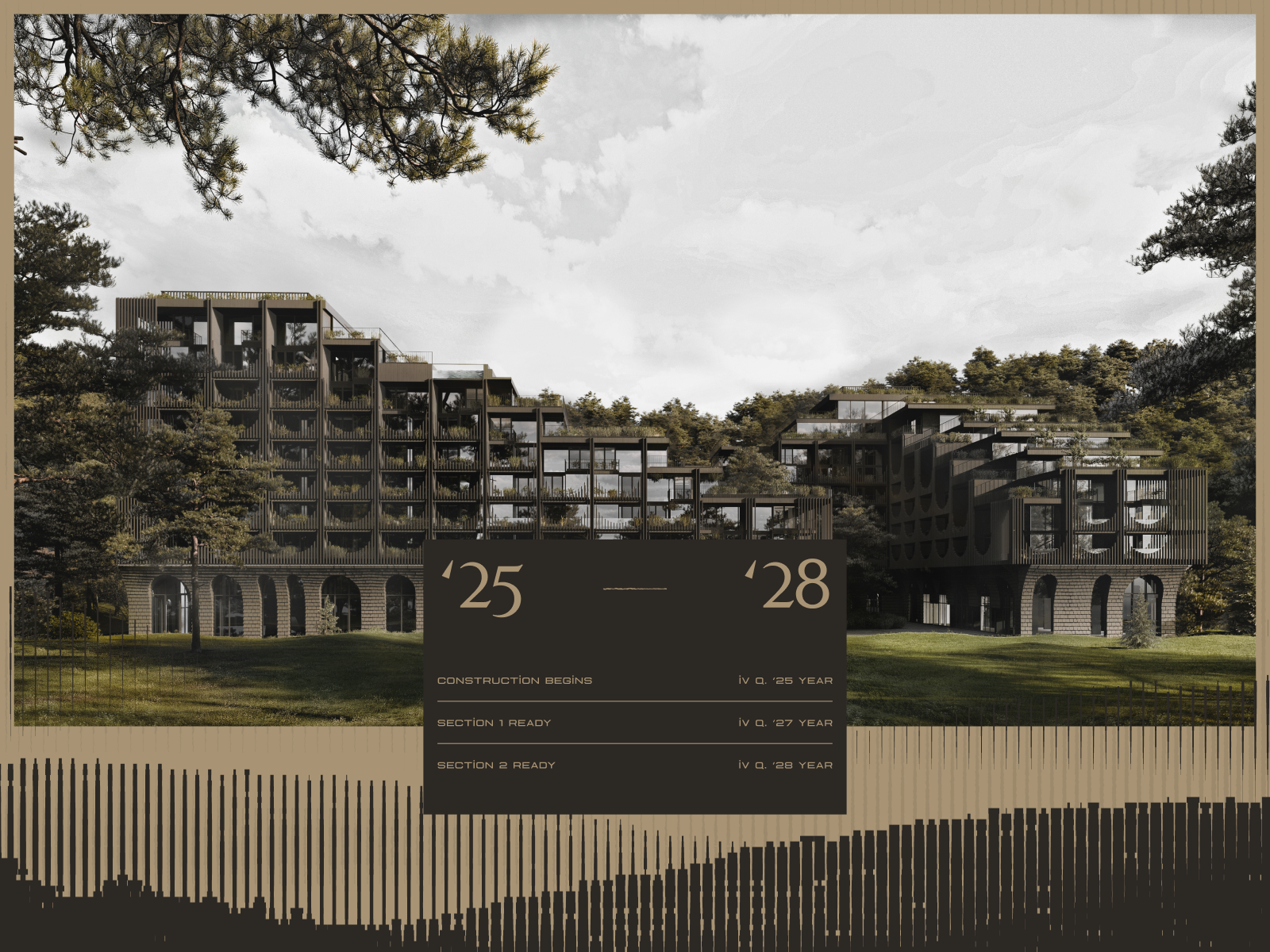
Visual reference: Son Daven · The First The Last, Maksym Stepenko and Ivan Chopei · Project and credits on Awwwards. Used as a visual direction reference, rather than an own project.
An architecture practice can produce excellent work and still have a website that looks as though it is searching for the right photo folder. A more dramatic homepage will not necessarily solve that. Sometimes the missing piece is a coherent project structure, a clearer explanation of the practice or an editing system that makes the next publication manageable.
If you are budgeting for an architecture studio website in 2027, start with what it needs to show, whom it needs to convince and how it will be maintained. The number of projects matters. The way visitors need to explore them matters rather more.
JED’s published corporate website starting price is from €6,000, current when this guide was prepared in October 2026. This is a general studio reference, not an architecture industry average or a fixed price for every portfolio. Your proposal needs a defined structure, content scope, design approach, editorial system and language plan.
First, distinguish a portfolio from a practice website or archive
A short selection of work may need a simple index and carefully designed project pages. A practice with decades of projects may need classification, filters, statuses and an archive that continues to grow. Both can feature large photographs. The work underneath can be quite different.
The website’s role also changes the brief. Will it support conversations with clients who already know the practice? Introduce the studio to unfamiliar developers? Explain specialisms, competitions or international experience? A proposal should respond to those priorities before deciding how spectacular the opening image should be.
| Situation | Work to consider |
|---|---|
| First portfolio | Project selection, practice positioning, a project page model and enquiries. |
| Established practice | Project hierarchy, services, people, publications and several visitor journeys. |
| Large or international archive | Classification, search or filtering, languages, migration and editorial tools. |
This is not a hierarchy of prestige. A small practice may need a highly specific website; a larger one may communicate well through a restrained selection. Scope should follow the work and the practice’s objectives, rather than the number of partners on the team page.
What the website proposal should include
Definition and architecture. Before design begins, establish which projects appear, how they are grouped and how they relate to services, the studio and enquiries. A project index is not an administrative list added at the end. It shapes how an unfamiliar visitor understands your work.
Visual direction and design. Typography, grids, image rhythm and navigation need to support the architecture. Test a richly documented project and another with fewer resources. If the system only works for the practice’s most beautifully photographed building, there is still a design problem to solve.
Development and editing. Your team should be able to add projects, arrange galleries, write credits and update facts without dismantling the design. The proposal should explain the available fields and layouts, and which changes still require design or development work.
Content, migration and handover. Establish who selects images, prepares text, organises drawings and enters project pages. Include testing, training and the treatment of old URLs. “Content supplied by the client” should not become an elegant way to leave twenty separate tasks unassigned.
The comparison of custom WordPress and a theme helps explain the technical choice. It depends on the visual direction and editorial tools you need. The CMS name alone does not define what you are buying.
Photography, drawings and copy have a scope too
An architecture website relies on images, but design cannot invent a consistent photographic archive. Prepare a representative selection and distinguish finished photography, renders, drawings and process material. That lets the supplier assess a system against the practice’s actual resources.
If new photography is required, commission it with the photographer’s own scope and usage conditions. Check the permitted uses of existing images and how they should be credited. Visible credits belong in the project content rather than in a forgotten note somewhere in the footer.
Drawings also need an editorial selection for screen viewing. Exporting every technical sheet at full size and placing it below a gallery rarely makes a project easier to understand. Decide what each drawing explains, where it belongs and whether a detail or caption is needed.
Check the original files before approving that scope. A clean export from the drawing source is a different starting point from a small image copied from an old presentation. Knowing what is available helps assign preparation work and prevents the design budget quietly becoming a document recovery project.
Copy can be concise and still do substantial work. Location, status, year, programme, team and a short account of the design decisions help people understand the commission. Include writing or editing in the proposal if the practice needs it. Six images and “private residence” leave a fairly large part of the explanation to the visitor.
The decisions that increase the investment
Several kinds of project. A completed home, a competition and an urban intervention may share an editorial system while needing different information. That flexibility should be defined. Improvising a new arrangement for each page makes later maintenance less pleasant.
Filters and search. Explain what visitors need to find before requesting a filter interface. Typology, location or status can help in a large archive. With eight selected projects, extra controls may add more interface than value. Each function should earn its place.
Languages. An English version can support international conversations, but it needs adapted copy, equivalent structure where appropriate and someone responsible for updates. The Spanish website should not continue opening new projects while its English counterpart quietly grows old.
Motion and interaction. A transition can add character. A sequence that makes visitors wait before seeing the work can get in their way. For a distinctive interaction, ask how it behaves with a keyboard, on smaller screens and when motion is unsuitable for the user.
Identity. Redesigning a website and redefining a brand are related but separate commissions. If the name, logo or graphic system also needs attention, give it a clear scope. The logo design for architecture service is relevant when identity is genuinely part of the requirement.
Three scenarios for a useful budget discussion
These are hypothetical scope examples. They are not client budgets or sector pricing averages. Use them to establish what your practice is requesting before comparing headline figures.
A practice commissioning its first website. It has six selected projects, concise copy, available photographs and one language. It needs to explain its approach, show the work and make enquiries straightforward. The discussion can begin with JED’s corporate reference, from €6,000, then define the included design, editing tools and content entry.
A studio needing a portfolio and corporate presentation. Alongside work, it needs team, services and publications in Spanish and English. Older projects must be retained and reorganised. The budget needs to include architecture, page models, content in both languages and transition from the existing website.
A growing project archive. The practice wants to classify work, retain its history and allow several people to update the website. Resources vary in quality and projects have different statuses. Editorial definition and management tools will carry more weight than in a short curated selection.
In each case, specify how many project entries the supplier will prepare, who supplies the material and how additions are priced. “Unlimited portfolio projects” may mean the system can accommodate more entries. It does not necessarily mean someone will edit and upload the practice’s entire history within the original fee.
If the investment needs adjusting, prioritise a complete visitor journey with a smaller selection rather than many empty sections. Ten well-explained projects can form a coherent first release. The editorial system and proposal should then describe how the practice will add the next ones, including who prepares, checks and publishes them.
What you can learn from the own-project references
Studio Arcos presents built work, drawings and process through an editorial project system. It is a reference for discussing how the portfolio can stay active as the practice develops.
Studio Vulkan, working in landscape and urban architecture, provides a context for considering an archive containing work at different scales. The useful question is how that variety should coexist within one website.
PUD · Plusurbia shows an evolution from a portfolio-led website towards a fuller corporate environment. It helps frame whether your commission concerns a better selection of work or a broader explanation of the practice.
These cases demonstrate website work, rather than budgets or commercial outcomes that can be inferred from their images. Identify the decision that interests you in each reference. “I like how projects are explored” gives a much better starting point than “we want the same thing”.
Timing, maintenance and comparing proposals
Launch timing also depends on when material is ready and who approves it. Before committing to a practice announcement, competition or identity launch, check which projects will have complete content. A schedule that ignores photography and copy is mostly an expression of hope.
I suggest completing and testing one representative project page first. Then extend the system to the remaining work. This checks hierarchy, galleries, facts and credits while the model is still easy to adjust, rather than after thirty entries have already been prepared.
After launch, separate technical maintenance, project publication and new features. Define who updates the CMS, who handles a fault and who prepares the next case. If the practice will edit the pages itself, handover should include practical work with its own material.
When comparing proposals, request the same deliverables and assumptions. One supplier may include editorial direction and migration; another may provide design and development using fully prepared content. Both approaches can make sense. The comparison becomes useful when those differences are visible.
Check licences, hosting, backups, documentation and continuity arrangements too. You do not need a contract the size of an urban masterplan, but you should understand what you receive, what you can manage and which costs continue once the website is live.
Ask to see how a new project is created in the proposed editor. Adding a gallery, a drawing and a photography credit is a small demonstration that reveals much more than a generic promise of easy updates. It also helps your team understand what material to prepare before each publication.
It is also worth agreeing who owns each approval. Partners may comment on positioning, a project architect may check the facts and another person may maintain the website. Consolidating their feedback preserves those responsibilities while avoiding contradictory instructions reaching the supplier in separate email chains.
What to bring to the first conversation
Prepare a project selection, one complete project entry, the website objective, required languages and the status of the identity. Add the existing website, desired timing and the people involved in review. Sharing an available budget helps prioritise the work sensibly.
The web design for architecture studios service explains the approach. When the archive, identity or migration creates several open questions, the website diagnostic helps define them before the full build is commissioned.
Your website should present the work with the care that went into creating it. You do not need to arrive with the design already decided. I need to understand the work you have, the practice you want to explain and what visitors should be able to do.
To prepare your project pages before commissioning the website, explore how to present architecture projects with photography, drawings and facts.