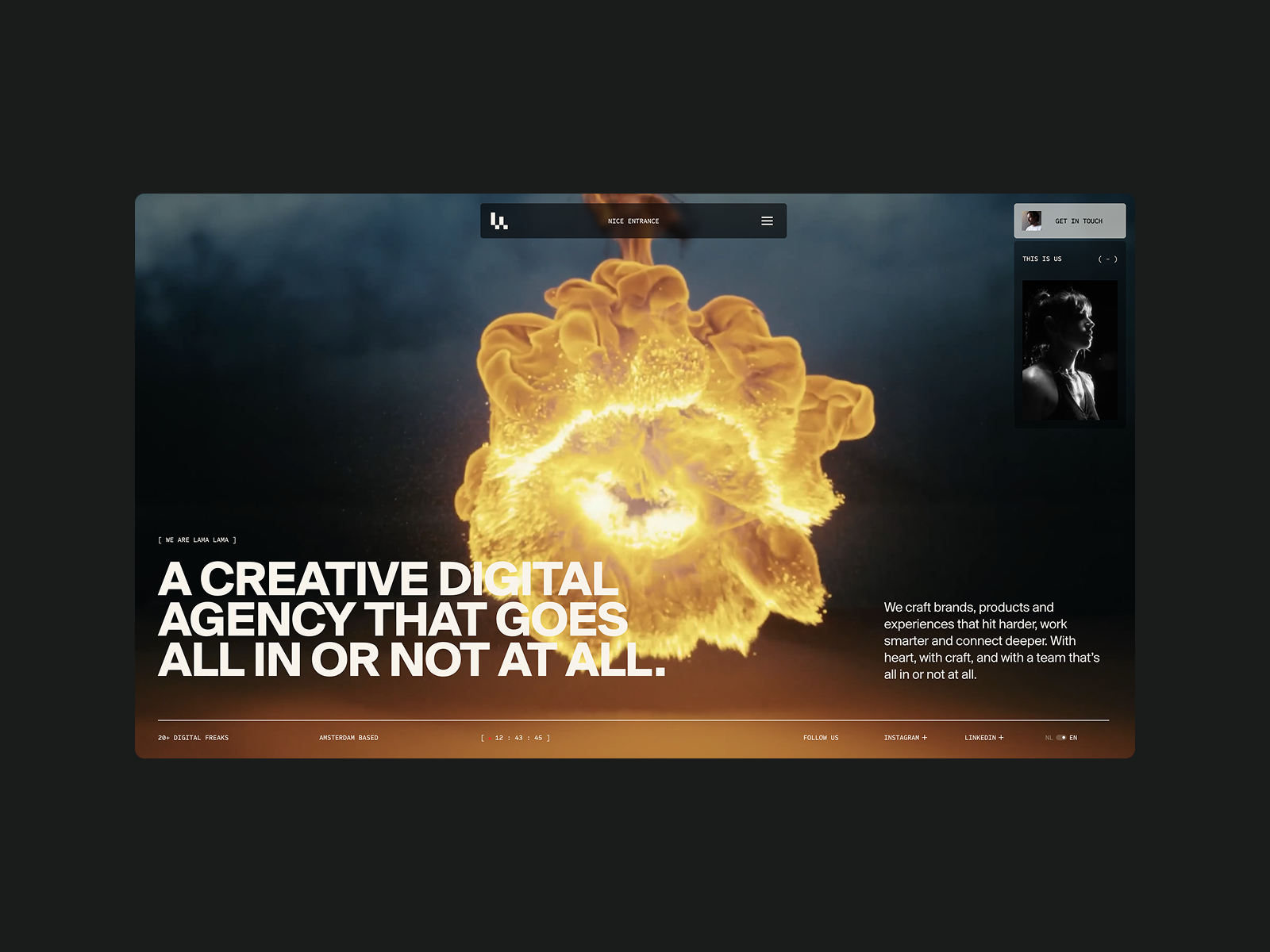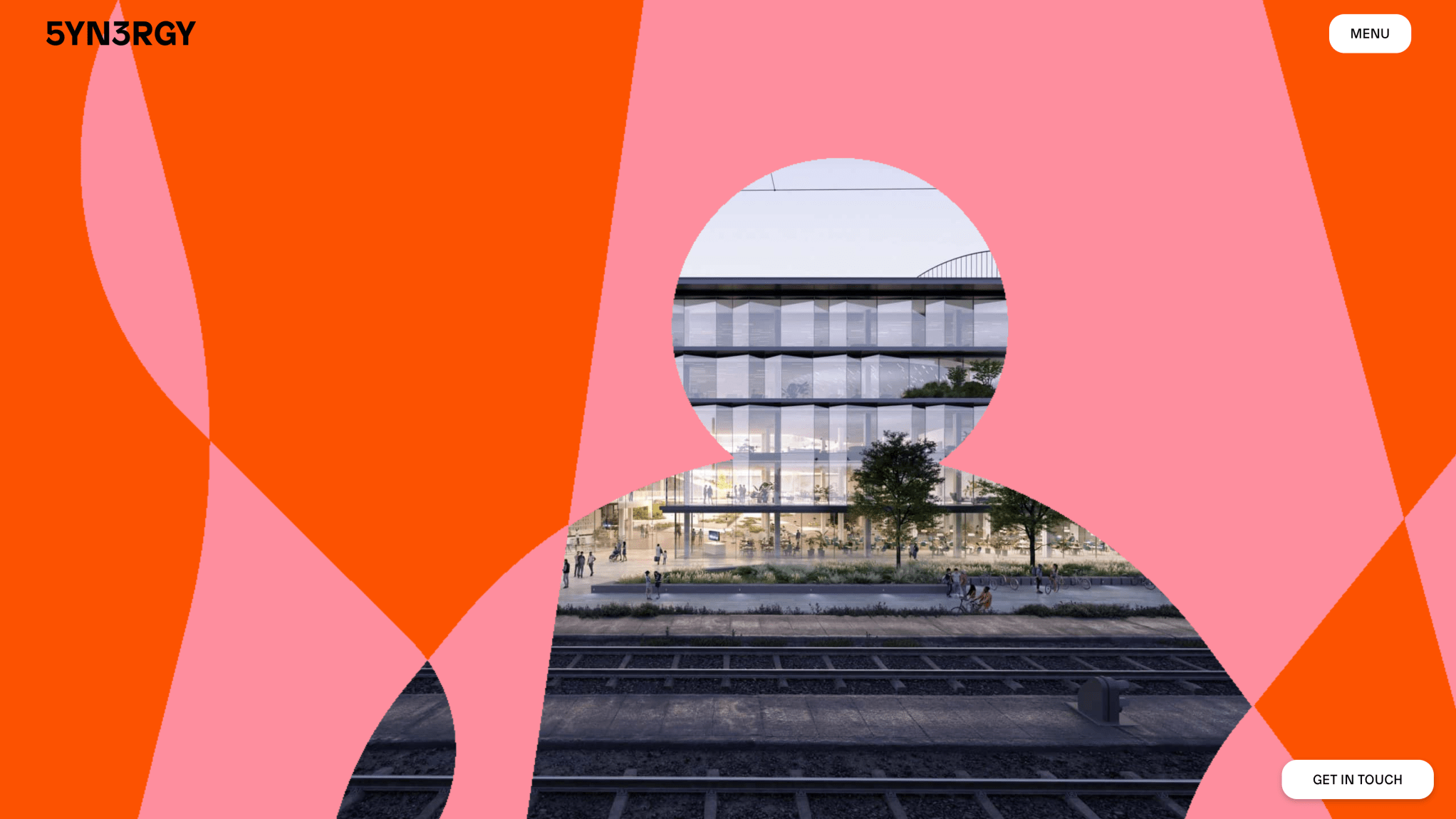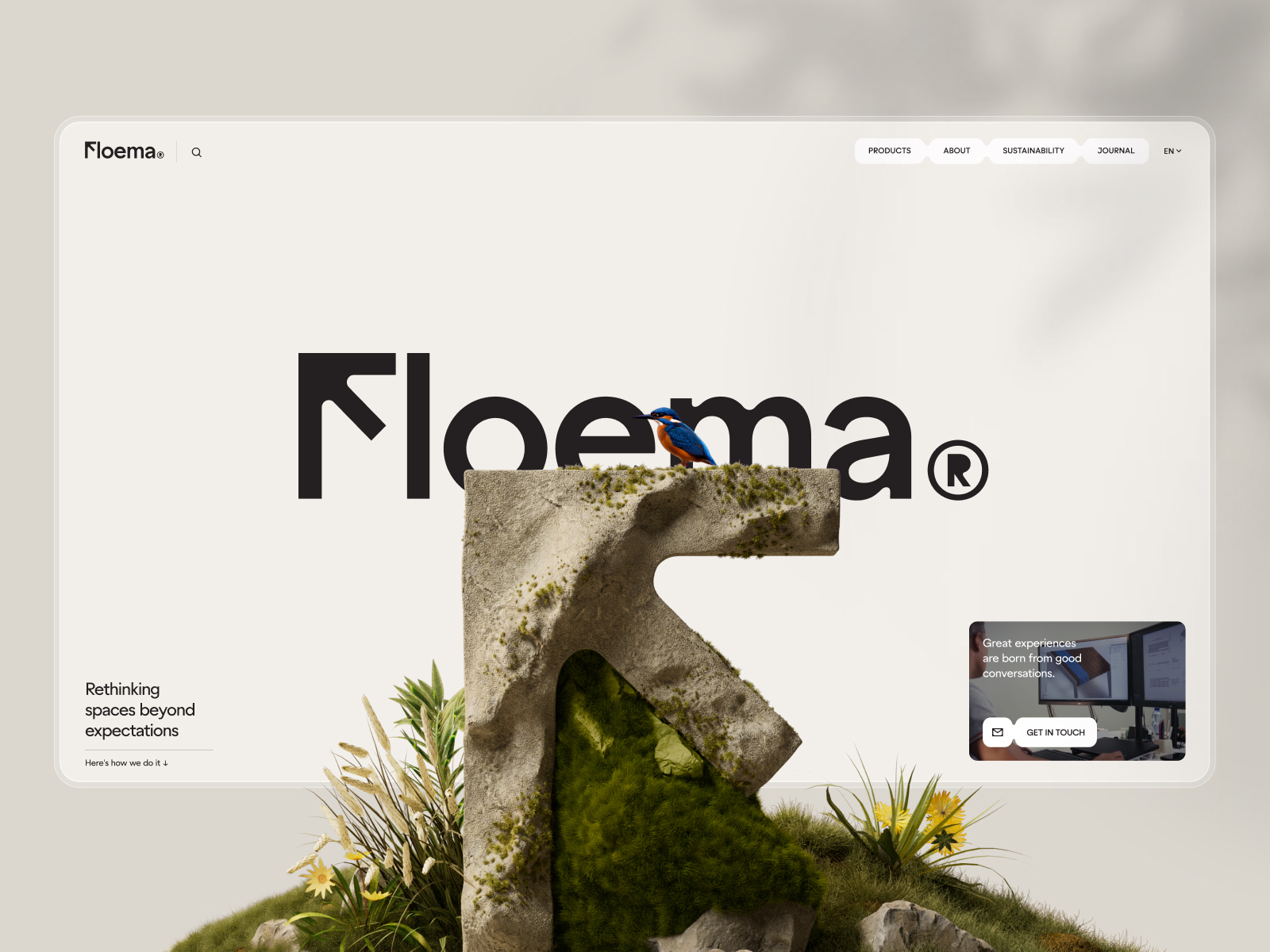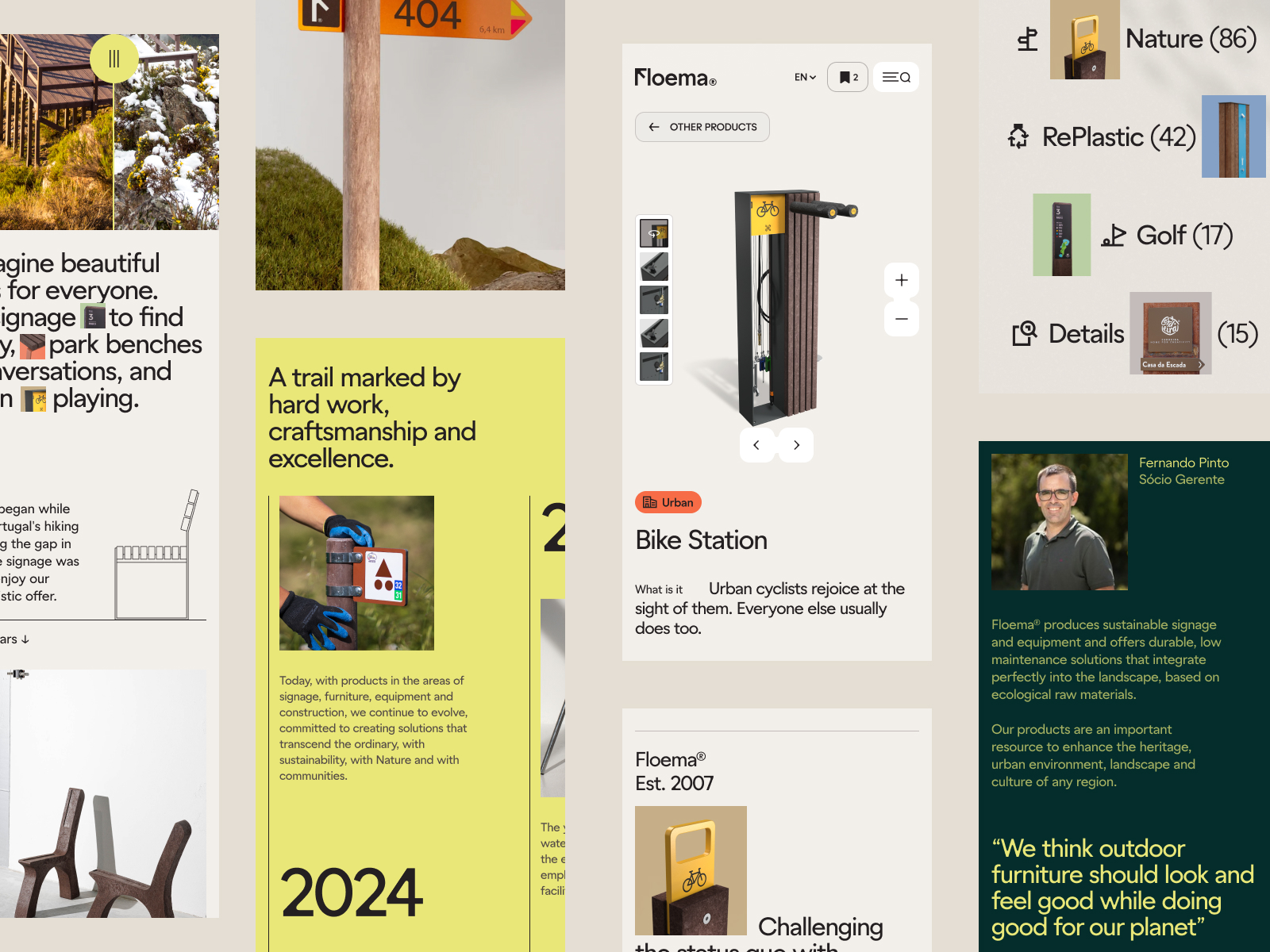
Visual reference: Floema · website design by Bürocratik · Project and credits on Awwwards.
A theme demo tends to enjoy a beautifully controlled life. Four matching photographs, neatly sized headlines and a catalogue that fits on one screen. Then your business arrives with seventeen services, portrait project images, documents and a product name that needs two lines. The demo begins to look a little less relaxed.
Choosing between custom WordPress and a pre-built theme means deciding how much of your project fits an existing structure and what needs designing around your brand, content and team. Either approach can produce a good website. The useful test involves the material you will actually publish.
My custom WordPress service develops visual direction and an editing structure around the brief. This guide helps compare that approach with adapting an existing theme, so you can understand the differences in design, publishing and budget before commissioning the website.
What custom WordPress actually means
WordPress uses a theme system to present content. A custom project still needs reusable structures: headers, navigation, project pages and other components. The commercial distinction is between developing a solution for your commission and adapting a pre-designed product. “Without templates” generally means avoiding a ready-made commercial theme, rather than removing reusable structures altogether.
The official WordPress theme documentation explains the role of themes in presentation and distinguishes block and classic themes. Custom implementations can use different approaches. Ask the supplier to show how your website will be built and edited, alongside using the word “bespoke”.
A custom proposal should identify project-specific decisions about structure, visual direction, content types and editing. It should also explain reused elements and dependencies. The custom work needs to be recognisable in the deliverables: project pages prepared for your material, a catalogue organised around your offer and rules your team can follow.
When a pre-built theme can fit
A theme can fit when your requirements closely match its structure and the business accepts its visual decisions. A straightforward presence with prepared content may use an existing base and focus production on the message, brand adjustments and launch. Review that outcome using your own copy and photographs before choosing.
Establish what the product supplies and what the professional needs to do. The theme licence and the work of adapting it are different costs. A purchase price does not explain the whole project budget. Content, configuration, testing and any structural or functional changes still need an owner and a scope.
A pre-built theme offers a specific starting point with useful features and boundaries. If achieving the required website means modifying most of its components, compare that effort with building a tailored base. A representative page helps make the decision practical, without turning the discussion into a contest between personal preferences.
When a tailored structure deserves the investment
A custom project can make sense when the identity and content need a particular presentation. An architecture practice may need photography, drawings and credits within project pages. An industrial business may need to connect product families with documentation. When structure helps explain the business, designing it deserves its own attention.
The approach can also help teams publishing regularly. A project page built around their tasks can provide the required fields while limiting adjustments that undermine the composition. The next case study should retain the visual direction without requiring someone to redesign the layout each time they publish.
Visual direction needs the same care. Typography, proportions, imagery and movement should respond to the brand and the journey being offered. A reference helps describe an intention. The next step is to develop an approach of your own and test it on pages carrying different amounts of information.
Use your content as the deciding test
Before buying a theme or approving a proposal, gather a small but demanding sample: a priority service, a long project, a short one, a portrait image and a landscape photograph. Include a difficult headline and another language if required. That material reveals problems a carefully selected demo may leave out.
Imagine an architecture case study with fifteen images, drawings, collaborators and a longer narrative. Check its sequence, mobile presentation and route back to the project archive. A composition showing three photographs might look excellent while leaving an important part of your brief unresolved.
Test the editing process as well. Ask someone from the team to add an image, change a detail and prepare another project page. Observe the choices they face and the instructions they need. This gives a much clearer basis for discussing independence than a general promise that staff will be able to change everything.
Include awkward examples deliberately. Try a project without a video, a service with several documents or a headline longer in translation. Good design needs to accommodate the material the business is likely to produce, including entries that differ from the ideal demonstration page.
What your team will be able to edit
Editing content and changing the website’s structure are different tasks. Updating a service description may be routine. Altering the header, introducing a new composition or adding functionality can require more judgement and checking. The proposal should distinguish these levels and establish who needs access to each.
Block themes can use the WordPress Site Editor to work on different parts of the presentation. Other projects offer more defined editing through fields and components. The available tools alone do not determine the permissions, training and rules appropriate for your business.
If staff need to publish efficiently, request a short editing demonstration with real material. Which fields are required? How is a gallery organised? Where do credits go? How is an entry reviewed before publication? A comfortable system can offer freedom within a deliberately prepared visual framework.
The handover should also explain the limits of that independence. Adding a content type or changing an interaction may require development. Knowing this helps the business plan improvements and brief additional work. Clear editing rules tend to last longer than a control panel full of buttons nobody is confident enough to touch.
How budget and maintenance differ
| Area | What the proposal should explain |
|---|---|
| Design | What adapts an existing base and what is designed for the brief. |
| Content | Page types, fields, available material and content entry. |
| Editing | Team tasks, permissions, boundaries and training. |
| Dependencies | Theme, plugins, licences, hosting and connections. |
| Development over time | Who maintains the base and how future changes are priced. |
A bespoke build needs to budget the decisions designed, implemented and tested for your commission. A theme adaptation needs to identify its required changes and the work involved in maintaining them. A useful proposal explains these tasks instead of assigning the whole fee to a licence or the CMS name.
JED’s published starting point for a corporate website is from €6,000. The proposal defines content, design, WordPress development and launch. The guide to freelance web design costs for 2027 explains how to compare responsibilities and deliverables.
Both approaches need an agreed maintenance arrangement. Updates, backups, checks and support depend on the system and the service purchased. Ask who controls licences and what happens when a plugin changes or stops meeting the requirement. A custom build also has dependencies; they should be understood and documented.
Performance and technical quality need checking in the actual implementation. A theme’s commercial origin does not automatically tell you how a finished website will perform. Review representative pages with their images, content and functions. Those checks provide useful evidence for improving the website that will really be published.
Ask what would happen if the supplier changed a year later. Which content can be retained? How is documentation handed over? Which parts depend on the theme or another particular tool? Every implementation has a structure to understand. The answer should help you assess the cost of future changes alongside the first launch.
The number of plugins alone does not establish the quality of a system either. Understand the purpose of each important dependency, who maintains it and which project features rely on it. An established product may be sensible for one task. Bespoke functionality may be justified for another when the requirement supports it.
Check brand continuity on less glamorous pages. Forms, search results and a project without a featured image still belong to the website. If a theme changes personality in every corner, adaptation work remains to be done. An original design also needs those situations included within its scope.
During visual review, test long headings and links within paragraphs as well as large images. Visitors need to recognise a button and read a link comfortably within the surrounding text. Those checks help turn a graphic direction into a usable interface and provide clear grounds for accepting or improving a deliverable.
To understand maintenance, request an example update and the checks that follow it. Which backup is prepared, where is the change tested and who checks the important functions afterwards? That conversation helps compare recurring services which may cover quite different work under the same name.
Before choosing, summarise the brief on one page: representative content, expected editing tasks, visual direction, functions and responsibilities. Ask the supplier to explain how the proposal addresses those five areas. It is a straightforward way to see whether the solution fits your business or still expects your business to start resembling the demo.
What to request before approving development
Ask for a demonstration of the most important page using real content. If the business depends on explaining services, review that page. If it needs to show completed work, examine a project page and the archive used to find it. The homepage receives plenty of attention, but a hiring decision usually needs more than one screen.
Request a list of templates and components. It need not become an enormous document. It should explain what is built once, where it is reused and which variants it supports. The list helps determine whether the scope covers your different content needs or leaves significant areas undefined.
Review the transition from the current website. Which content stays, which addresses change and who prepares redirects and checks? A change of theme may require additional work on functions or content storage. Inventory those dependencies before treating migration as a single button press.
WordPress documentation explains that backups include files and the database. Agreeing backup and recovery arrangements is part of preparing changes carefully. Also establish where the new website will be tested before launch and how the agreed tasks will be checked.
If you are preparing a brief, the custom WordPress budget guide for 2027 separates design, content, migration and integrations so you can compare proposals against the same scope.
Choose for the website your team will maintain
A sensible decision brings three questions together. Does the presentation explain the brand? Can the structure accommodate the content? Can the team work with it? An existing theme may answer all three within a defined commission. Another project may justify original direction and development through its content and editing needs.
My published projects show different business and presentation requirements. For visual references, the WordPress design selection for 2027 gathers examples documented as using the platform. Focus on the decisions that interest you and the content they would need to support within your business.
If you have already chosen a theme, bring its link and a sample of your material. If you want a distinctive direction, explain what the current website struggles to do. We can assess the fit within a WordPress web design project and decide what deserves retaining, adapting or building.
Tell me what your website needs. I’m Jordi Ensenyat, founder of Code Barcelona. We will begin with your services, projects and editing tasks. If the demo starts looking nervous, at least we will understand why and can design a structure that treats your content better.