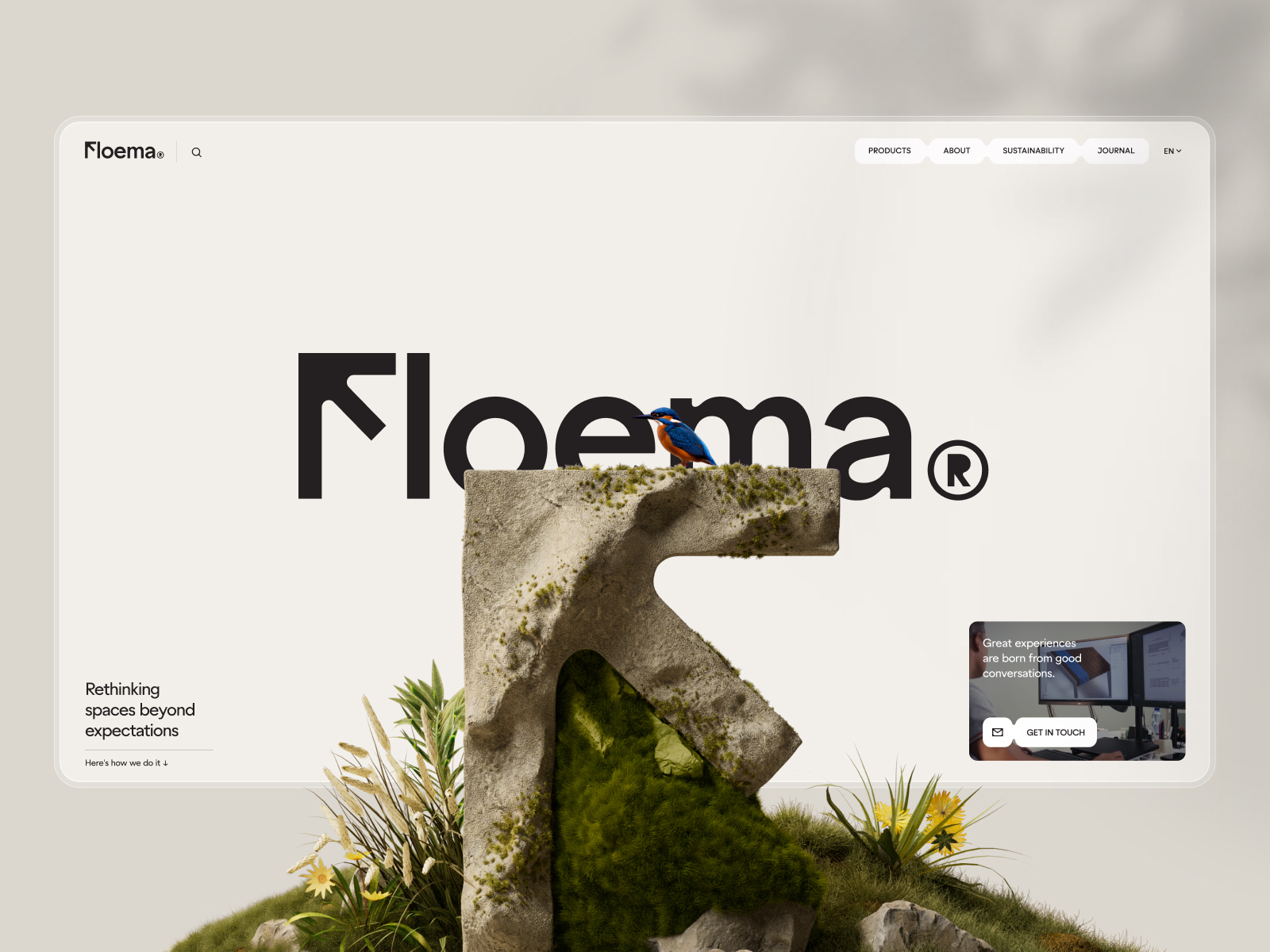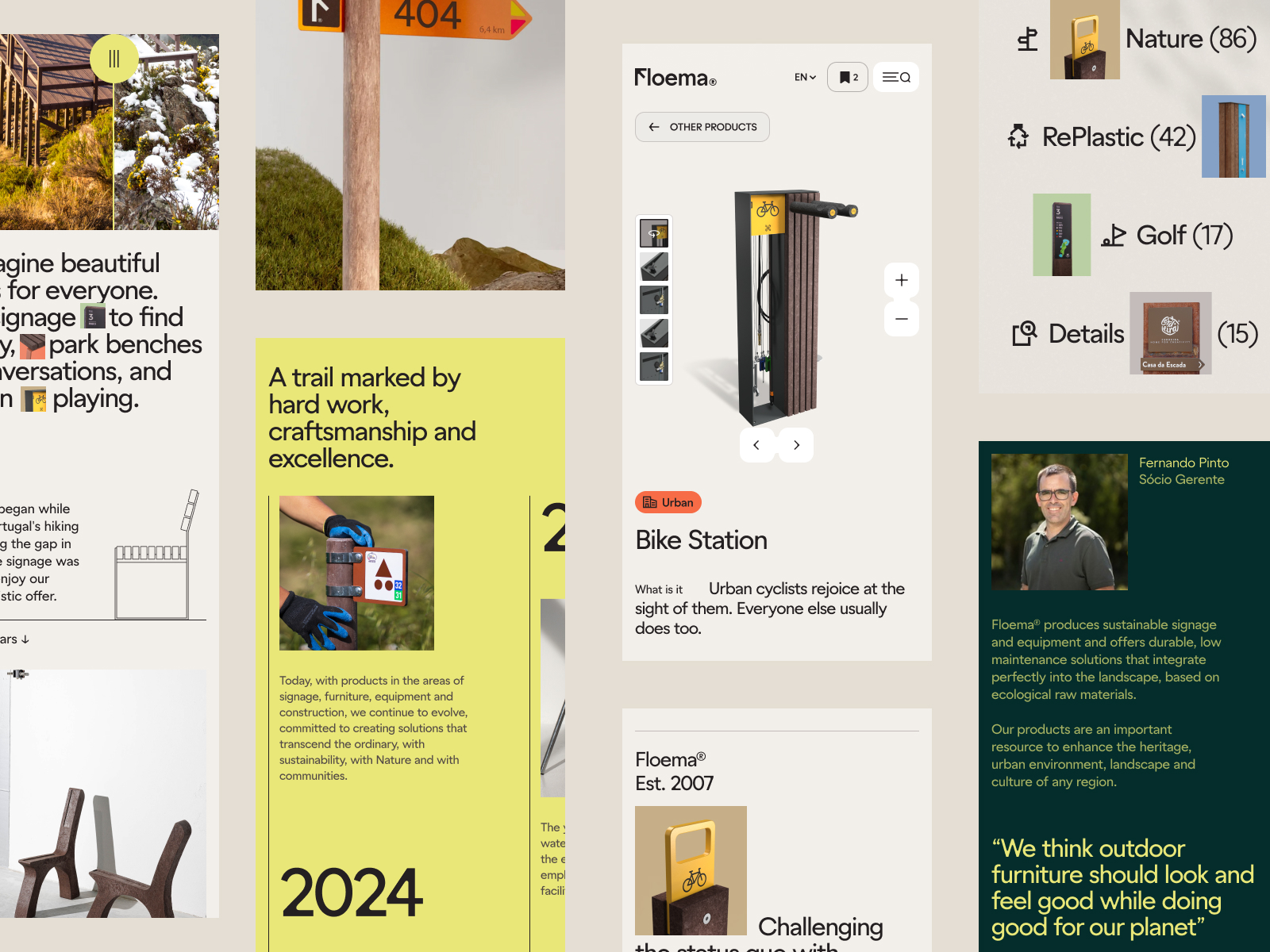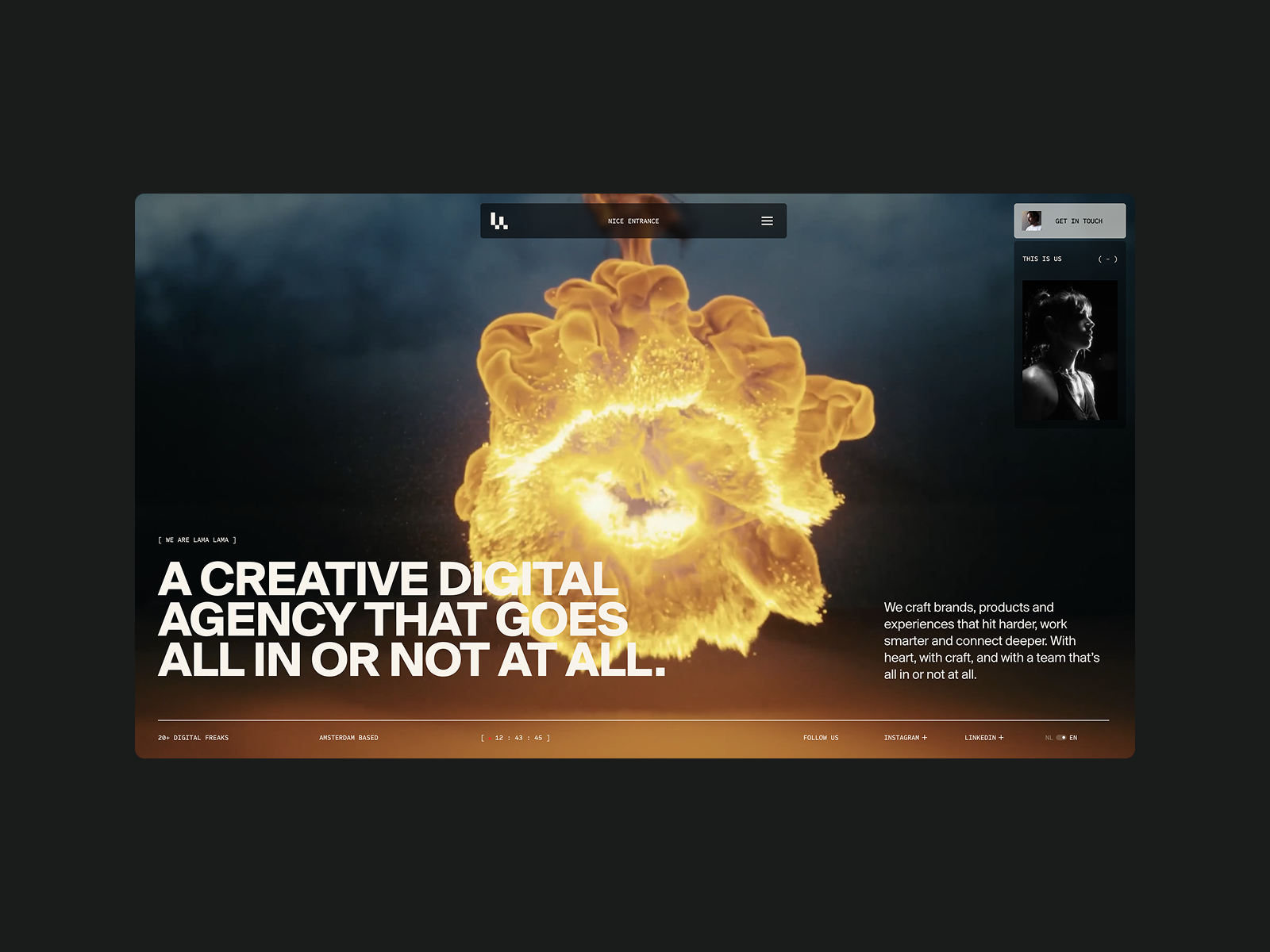
Header image: Lama Lama · Project and credits on Awwwards.
Choosing a freelance web designer or an agency often starts with a question about size: how many people are behind the business? For a website project, I would begin with something more practical. Who will understand the brief, who will design the website and who will you speak to when a decision is needed?
Some small agencies offer excellent direct contact. Some independent designers coordinate specialist collaborators. Other projects genuinely need several disciplines working at the same time. The supplier’s label tells you little until the proposal names the people and responsibilities included in the engagement.
This guide helps a business choose a web design collaboration. The answer may change depending on whether you need a corporate website, a platform connected to other systems or an ongoing programme of content and campaigns. Start with the work that needs doing. The organisation chart can follow.
The useful difference is how the work happens
A freelance collaboration can give you direct contact with the person designing or developing the website. You can discuss a requirement, explore a reference and consider its consequences with that same person. The scope still needs to identify the freelancer’s responsibilities and the tasks requiring other contributors.
An agency can bring strategy, design, writing, development and project management into one organisation. That structure may suit a broad engagement and simultaneous deliverables. Ask about the assigned team. The people in the sales presentation and those working on the project can perform different functions.
Both arrangements need a clear decision process. Who gathers your company’s comments? Who presents design? Who resolves technical dependencies? Who approves the launch? Those answers tell you more about the collaboration than a company logo, however confidently it occupies the proposal’s cover.
When a freelance web designer can be a good fit
A freelancer can suit a business seeking a particular visual direction and a close relationship with the person developing it. A company with a clear offer might need to organise its services and give them a distinctive presentation. An architecture practice might have strong project material and need an editable portfolio to bring it together.
The arrangement can also work alongside an internal team. Your business may already have brand and content owners but require interface design and implementation. Clear boundaries focus external work where it helps most. The commission could cover a complete website or a defined part of a larger project.
My freelance web design service starts with the brand, content and tasks the website needs to support. Visual direction and development follow an agreed set of deliverables. The proposal identifies any collaborators and the decisions your team needs to supply.
If local coordination matters, the freelance web design service in Barcelona explains that context. Proximity can make a conversation easier, but the project still needs prepared content, responsible reviewers and decisions. Coffee is an excellent starting point. The brief remains part of the job.
When an agency may make more sense
An agency can be appropriate when a commission brings several substantial workstreams together. A new brand requiring identity, photography, content, a website and a launch campaign may need broader coordination. Ask who directs the overall work and how decisions move between the disciplines.
Some businesses need a continuing production capacity that requires several available specialists. Define that capacity in practical terms: monthly content, languages, campaigns, support or development. An “end-to-end” service should come with an explanation of the tasks, the team and how competing priorities are handled.
Dedicated project management can help when several company departments contribute to the website. Marketing, sales, technology and content owners may have different requirements. Choose a structure that can resolve them. Adding meetings without decision-making authority tends to give the calendar more personality than the website.
Ask an agency to demonstrate that capacity through comparable work and explain how it manages staff changes. Meet the people responsible for day-to-day delivery and discuss documentation. You can then assess the organisation you are hiring against the continuity your business needs.
Compare responsibilities before comparing labels
| Decision | What to establish in both proposals |
|---|---|
| Communication | Responsible contact, participants and review format. |
| Design | Visual direction, templates, states and included revisions. |
| Development | Implementation team, dependencies and planned checks. |
| Content | Writing, photography, translation, entry and approval. |
| Continuity | Accounts, documentation, support and maintenance. |
| Changes | How additional work, fees and schedule changes are agreed. |
Make the comparison tangible with an example deliverable. You might need a project page containing a gallery, description, credits and an English version that your team can publish. Ask each supplier how they would prepare it, what they need from you and what you would review together. The differences in approach soon become visible.
If one proposal covers the full process while another ends with design handover, account for the remaining tasks before comparing prices. The second option might be ideal because you already have internal developers. What matters is being able to reconstruct the complete project and its responsibilities under either arrangement.
The fee needs to explain the engagement
Hiring a freelancer does not automatically mean commissioning a small or inexpensive project. A senior independent professional can direct and deliver demanding work. An agency can offer a narrowly defined engagement. Read the fee alongside the time, content, technology and responsibilities being delegated.
JED’s published starting point for a corporate website is from €6,000. That is a reference for my service, with a proposal defining the work your project requires. The guide to senior freelance web designer costs for 2027 explains the areas to review when planning the investment.
Separate initial production from recurring services. Photography, licences, hosting, translation, maintenance and campaigns may carry their own terms. That distinction helps you understand the cost of publishing the website and the work needed afterwards. Compare how each supplier prices additional development too.
Sharing a maximum budget early helps prioritise. It might be sensible to launch the service pages and a selected group of case studies first, with an editing system prepared for a larger archive later. Assess that option against what visitors receive in the first version and what your team can publish without further development.
Consider the work that continues after handover
Think about an ordinary week at your business. Who changes an image, adds a project or corrects a product page? Frequent publishing tasks deserve attention in the design and handover. Ask to see those steps with real material and have the supplier explain the system’s boundaries.
In a bespoke WordPress website project, content types and fields can be prepared around those tasks. Choosing a CMS is part of the decision. Training, documentation and the changes requiring specialist support still need to be agreed with the freelancer or agency.
Ask about service accounts, licences and access. Establish what the company owns, what the supplier manages and how documentation is handed over. That information makes a future transition easier to organise. Discuss it while everyone is keen to begin and the project files are still beautifully tidy.
Define support: contact channel, scope, agreed availability and incident handling. An editing question, a fault and a request for a new feature call for different responses. Continuity should explain how each is handled, whether your supplier is an independent professional or a larger organisation.
For remote work, discuss how comments are collected and decisions recorded. A team spread across locations can work effectively with a small set of agreed review points. The important question is whether the people approving the work have the information, time and authority to do so.
What to look for in each candidate’s portfolio
Look for work that addresses a comparable need. The similarity may lie in the business, content volume or publishing team. A visual style you like is a useful beginning. Then examine how information is organised and which parts of the work the supplier actually completed.
The JED portfolio includes commissions across different businesses and sectors. Studio Arcos brings architectural work and drawings into editorial project pages. Disproquima organises a technical offer through divisions and documentation. These different situations help frame a conversation about structure and content.
Ask candidates to specify their contribution to each reference. Visual direction, identity, development, photography and copy may belong to different collaborators. Credits help you assess the relevant experience. They also reveal how a prospective partner describes shared work, which matters when you may collaborate for several months.
If a case publishes commercial results, ask how they were measured and what else changed alongside the website. If it shows the visual solution, assess what you can observe. A reference can teach you plenty without becoming a promise about the outcome of your own project.
Consider a business with an established identity, its own photography and someone responsible for content. It wants a renewed corporate website that staff can maintain. A freelance collaboration covering design and implementation may fit, provided the proposal defines the team’s contribution and publishing handover. An agency may fit equally well if its engagement preserves that clarity and direct communication.
Another business is preparing an opening and needs identity, photography, writing, a website and advertising within the same period. Several disciplines depend on one another. Assess who directs the launch and the actual capacity available to coordinate it. That may be an agency or an independent professional with a clearly identified collaborator network. Understand the arrangement before choosing.
A third company wants to retain its design while connecting the website to an internal tool. This is a technical engagement. Ask about relevant experience, connection documentation and checks on the data exchange. A general creative presentation contributes little to assessing that requirement. The candidate should explain which information is still needed to estimate and accept the work.
Now consider a team serving several markets and languages. The challenge may lie in coordinating versions and approvals alongside building pages. Ask the supplier to describe one review journey with named participants. If nobody has authority to approve a language version, changing the supplier’s size is unlikely to remove the bottleneck. The arrangement needs to organise responsibilities on both sides.
These are commissioning scenarios rather than rules for particular industries. Use them to locate the complexity within your own business and request evidence addressing it. A useful proposal is one you can clearly explain to your team: the work to be done, the people involved, what they need from you and what will be ready at the end.
Use the first conversation to explore a real task
Send a short business introduction, the current website, the main requirement and an outline of available materials. Add languages, systems to retain and review contacts. If you have a launch date, explain its purpose and what the first version needs to do. That allows the supplier to assess whether the collaboration fits.
Bring a representative task into the conversation: publishing a project, presenting a product family or receiving a business enquiry. Ask what the candidate needs to understand before proposing a solution. The quality of those questions can help you choose more effectively than a long list of services.
By the end, you should understand the next step. It might be a scoped proposal, a technical review or a diagnostic engagement with a defined output. If important decisions remain open, a separate phase can be useful. It should explain what it resolves and how that work supports the rest of the project.
I’m Jordi Ensenyat, founder of Code Barcelona. If you want a direct collaboration to design and develop a business website, tell me what you need. We can review the fit, identify the disciplines involved and agree a practical way to take the project forward.